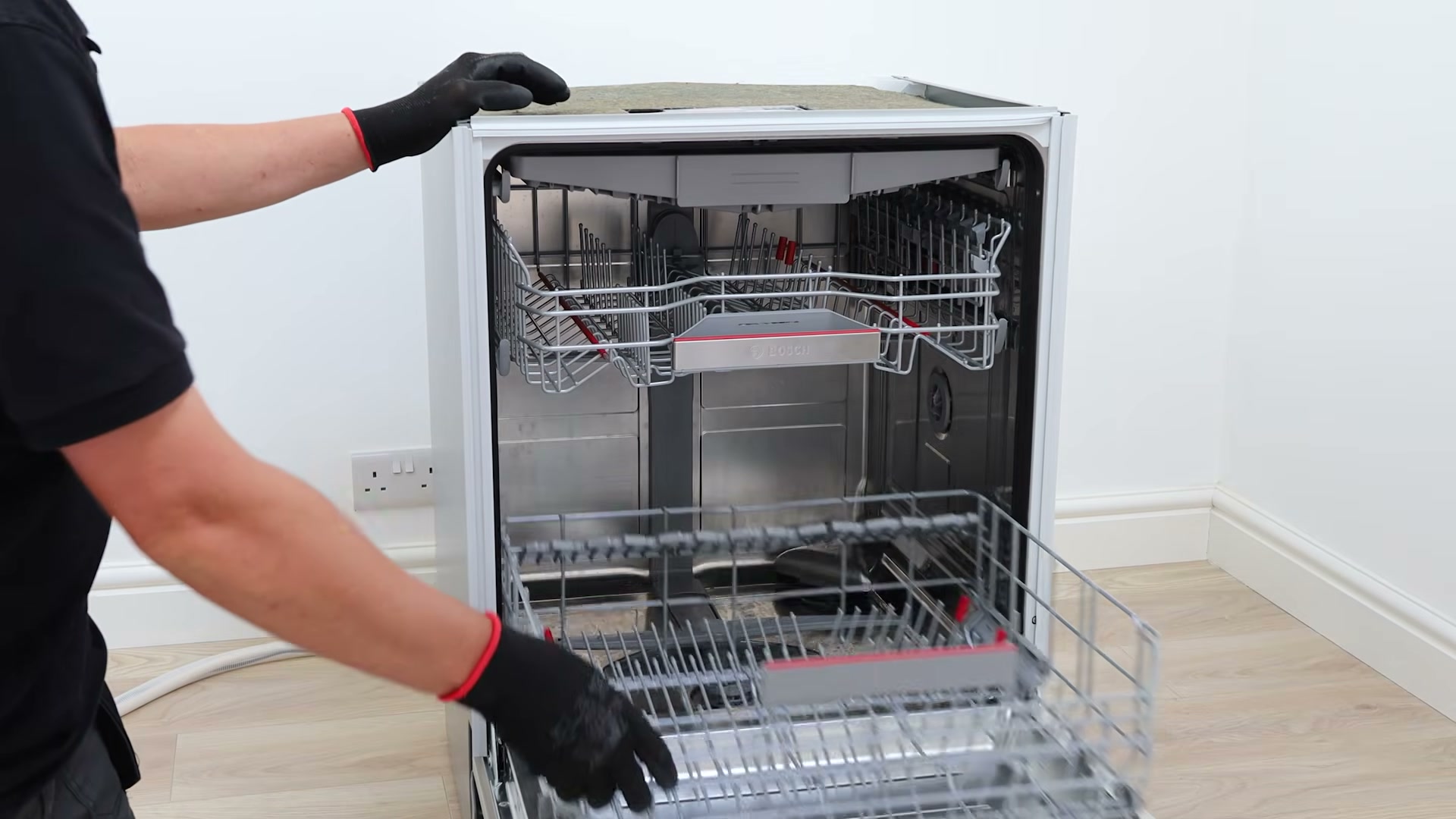
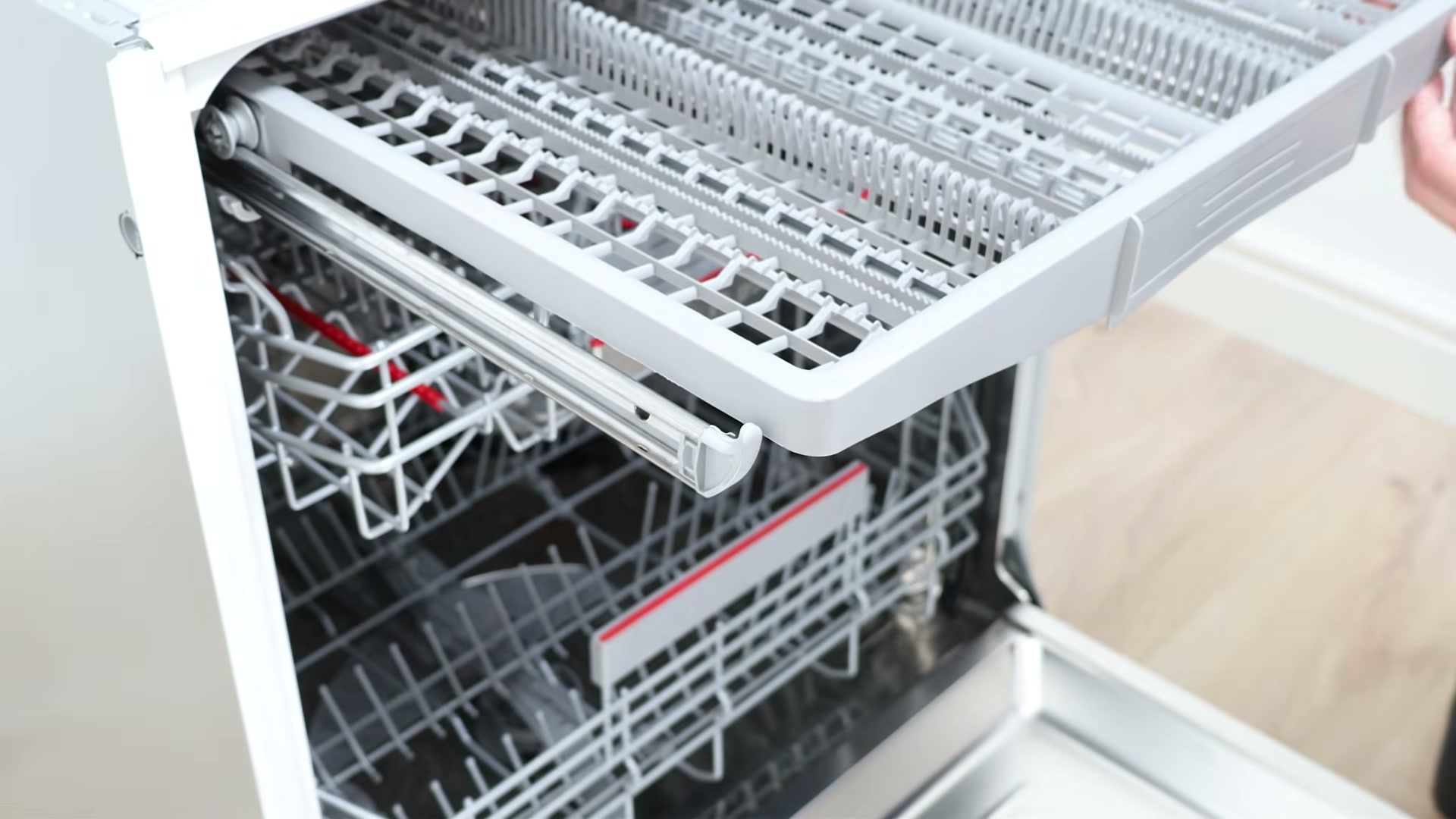
Make and Model of Dishwasher Used in This Video
Part Used in This Video
Bosch Dishwasher Water Turbidity Sensor
1. Remove the Cabinet Door
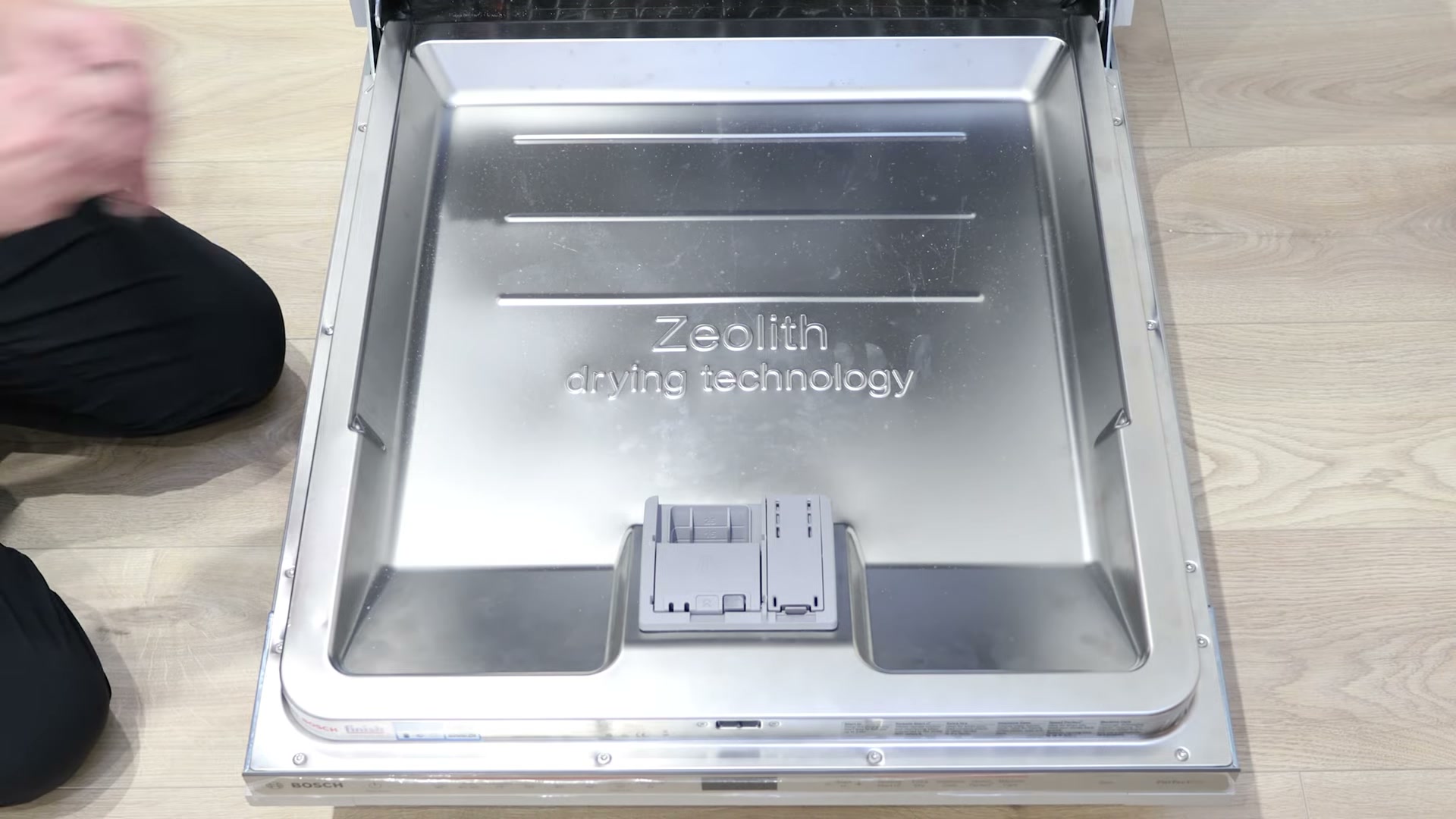
Unplug the dishwasher from the mains before starting any repair work. If your dishwasher is an integrated model, the cabinet door will need to be removed from the front first.
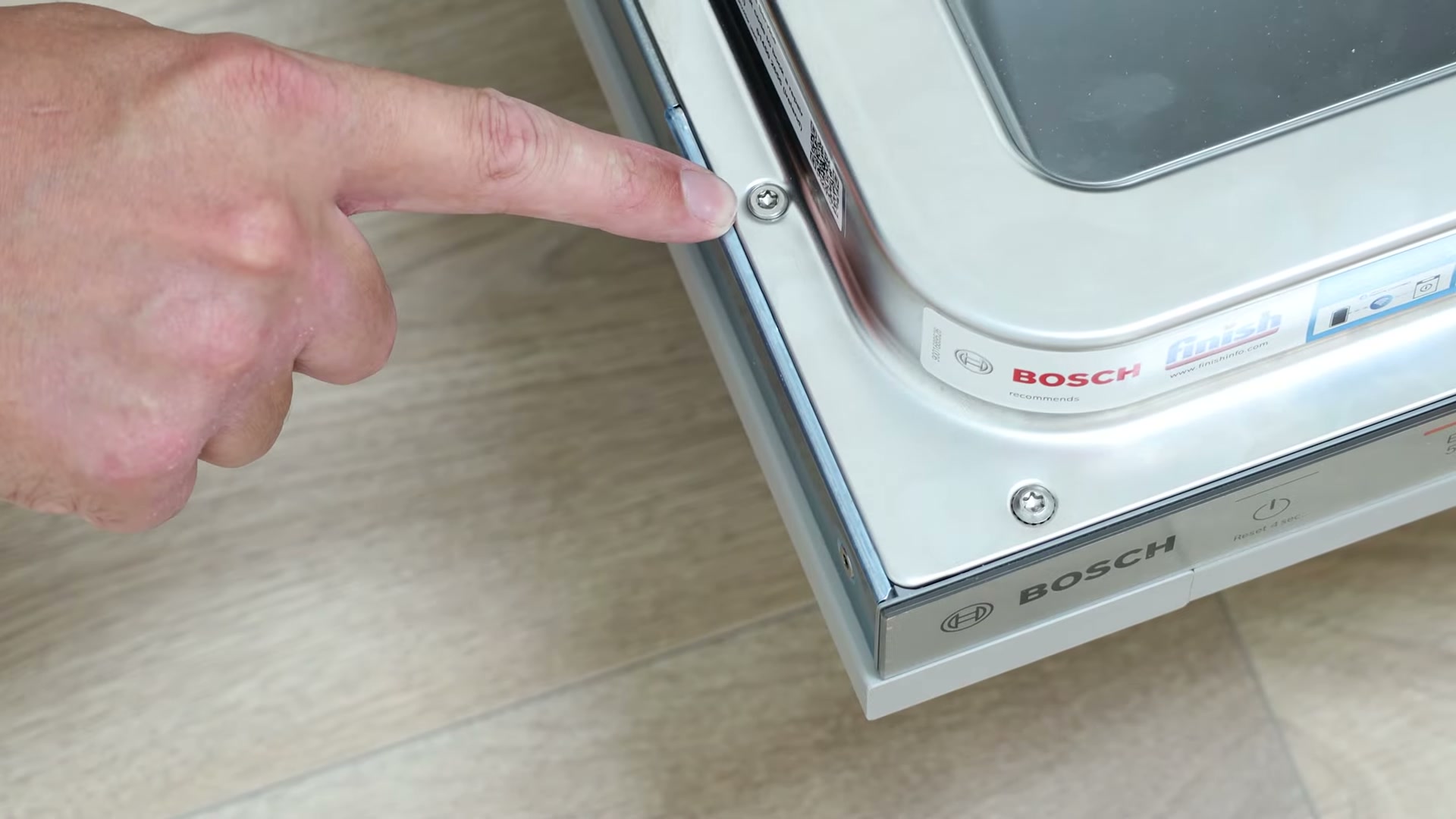
On this Bosch model, the cabinet door is held in place by four T20 Torx screws. Some models have rounded screws for the cabinet door and flat screws for the control panel and outer front door panel — only remove the four rounded top screws holding the cabinet door. Once they're out, detach the cabinet door and place it to one side.
2. Remove the Kick Plate and Insulation
You may be able to keep your dishwasher upright while changing the turbidity sensor, but if access is tricky, lay the machine down on a towel or blanket.
The kick plate is held in place by two Torx T20 screws — remove these and place them to one side. Use a flathead screwdriver or butter knife to lift the kick plate up. If your dishwasher has a floor time light, unclip its electrical connector. Place the kick plate to one side, then remove the insulation behind it.
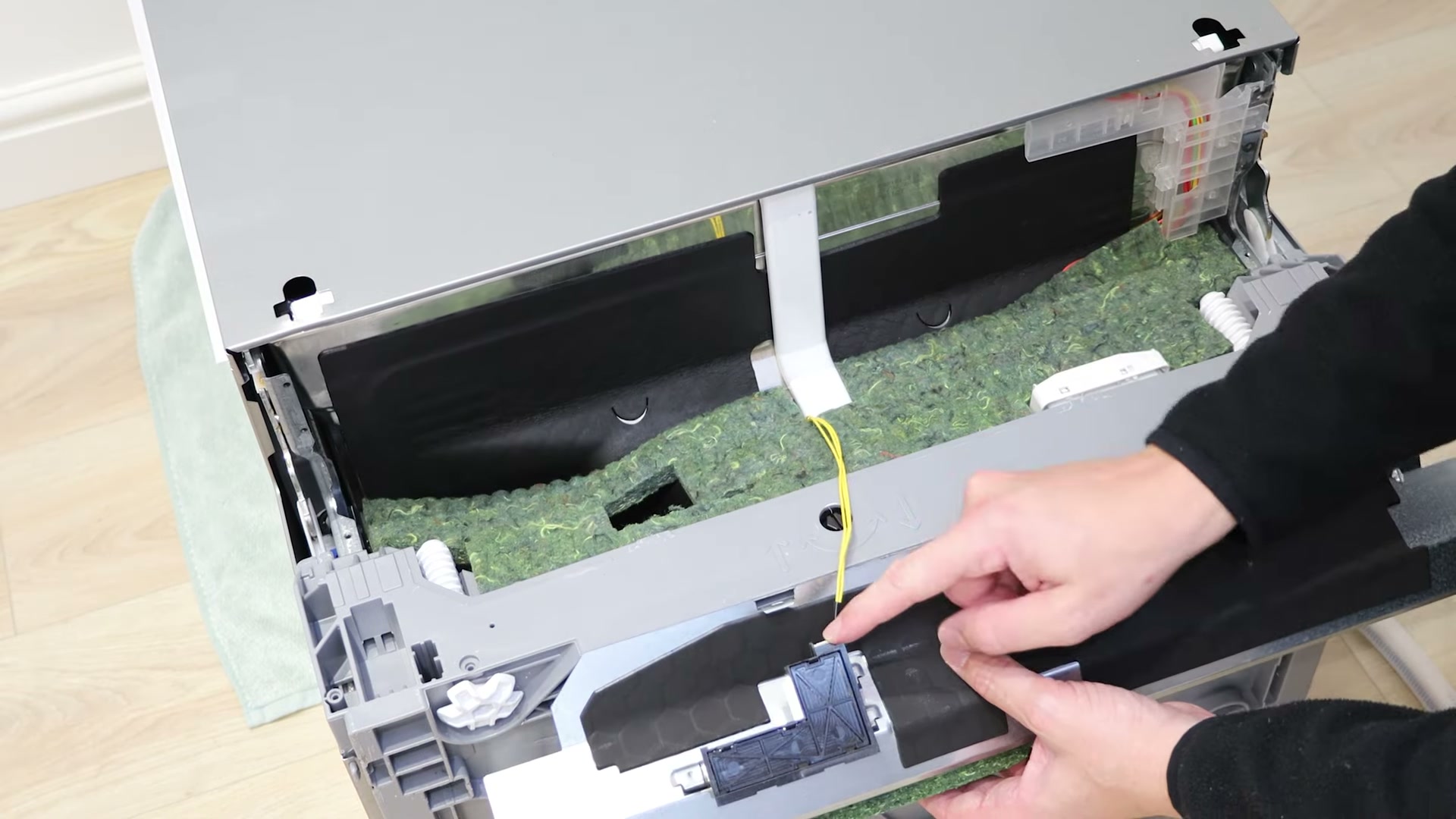
3. Remove the Old Turbidity Sensor
The water turbidity sensor is connected to the sump assembly. Put on a pair of work gloves — this area of the dishwasher is tight and can have some sharp-edged plastic and metal.
Unclip the electrical connector from the sensor. Lift up the plastic clip on the turbidity sensor and begin to rotate it anticlockwise. This can be very stiff, so take your time. Once free, carefully remove the sensor from the sump — and make sure not to lose the rubber O-ring inside the dishwasher as you pull the sensor out.
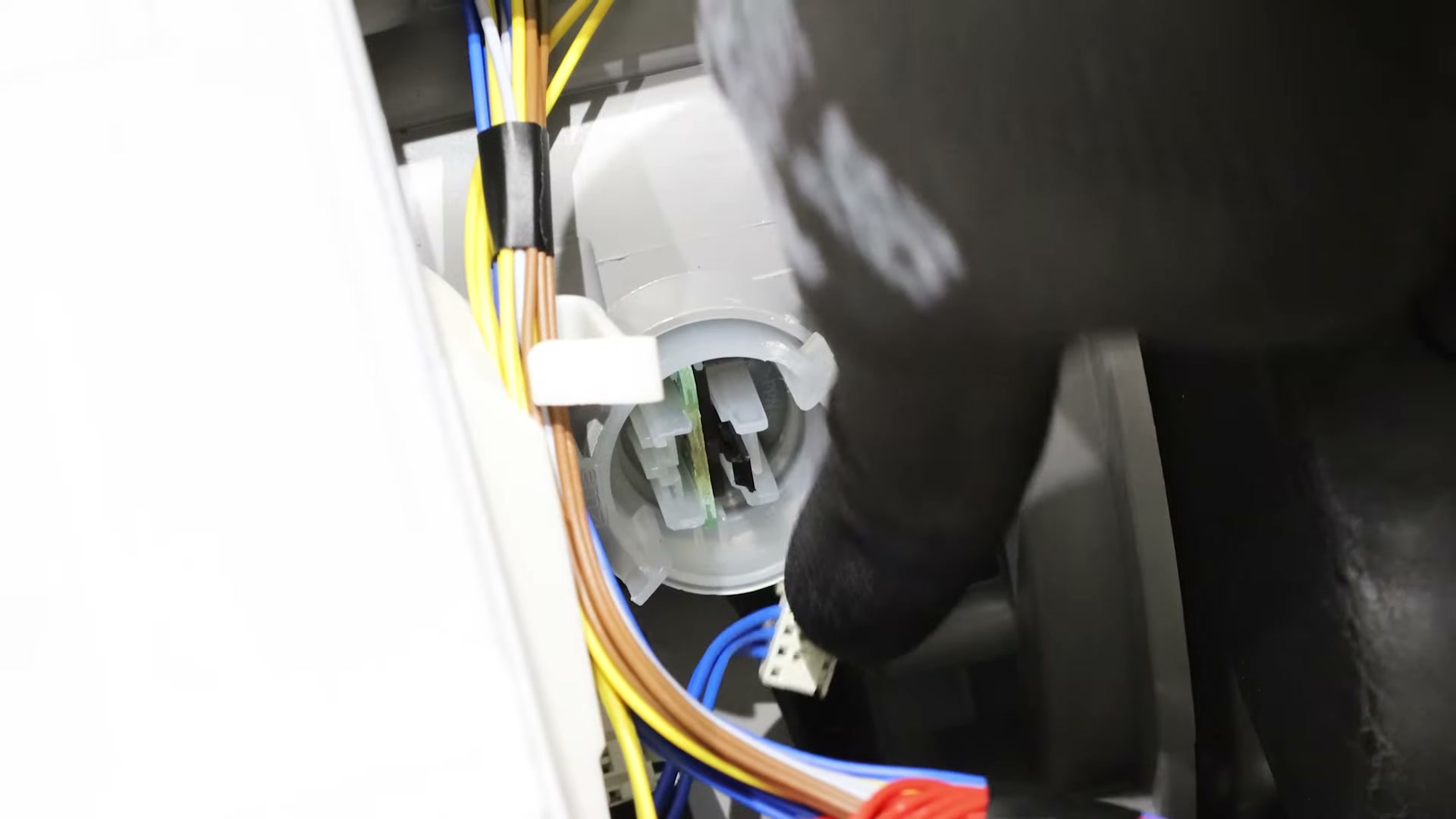
4. Fit the New Turbidity Sensor
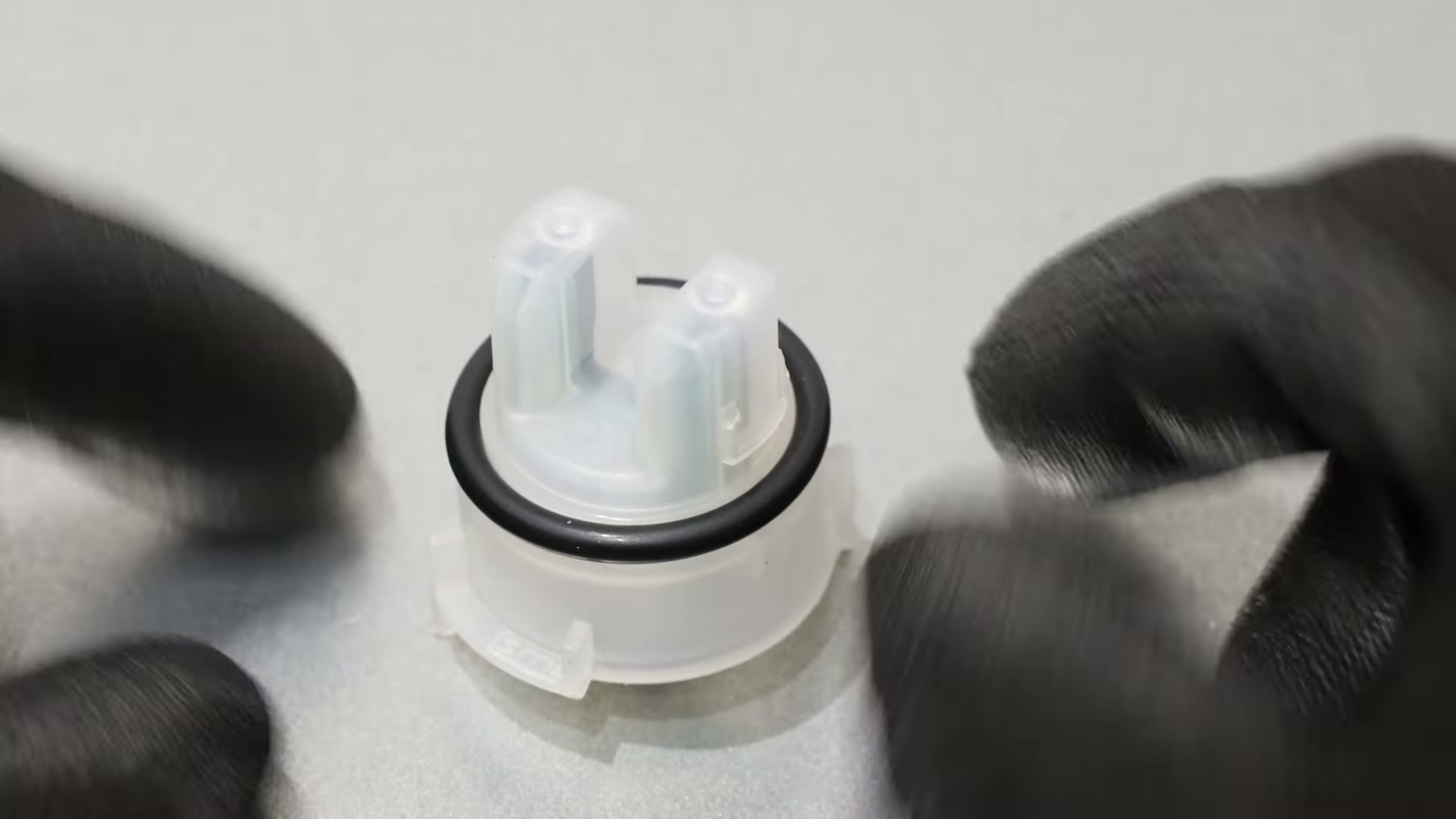
Unpack your new water turbidity sensor and check the O-ring is attached as shown. There's a slot on either side of where the turbidity sensor goes, one small and one larger — these line up with the corresponding alignment tabs on the sensor when installing.
The clip on the new turbidity sensor needs to connect to the plastic tab on the sump to ensure a secure fit when fully rotated. Push the turbidity sensor in, then rotate it clockwise until the plastic clip on the sensor sits over the plastic tab. Be careful — there's not much space and there could be some sharp edges, so take your time as it can be tight. Finally, clip the electrical connector back onto the new sensor.
5. Reassemble the Dishwasher
Reinsert the kick plate insulation. If your machine has a floor time light and you unclipped the connector earlier, clip it back into place. Reattach the kick plate and rescrew the two Torx T20 screws to secure it.
Finally, reattach the cabinet door by the fixing brackets at the bottom. Thread a screw into one of the holes on the dishwasher and loosely tighten it to hold the door in place, then line up each remaining screw with the existing holes on the cabinet door and tighten them one by one.
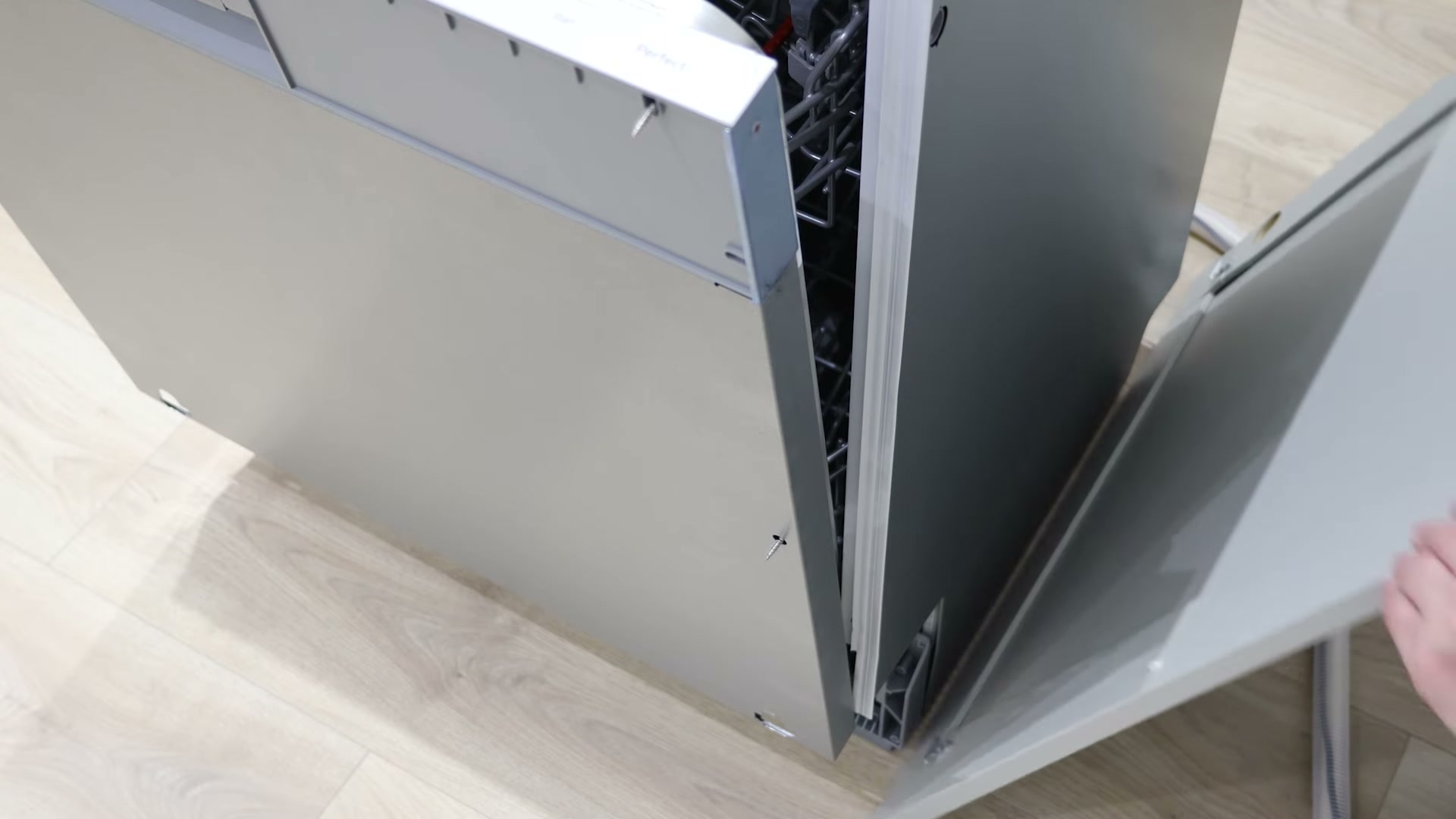
And that's it — your new water turbidity sensor is fitted and your dishwasher is ready to go back into service. Need more Bosch dishwasher spare parts?